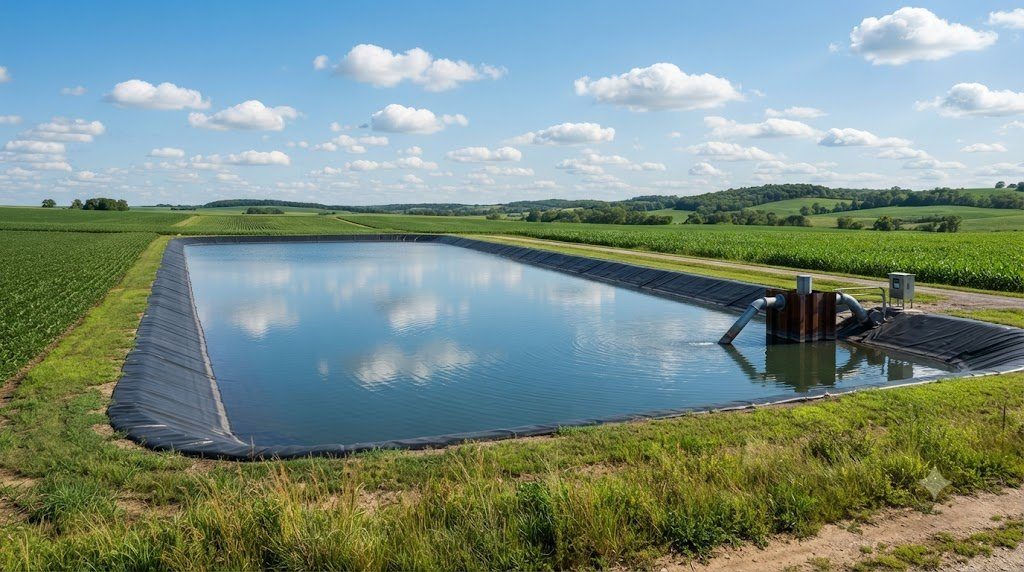
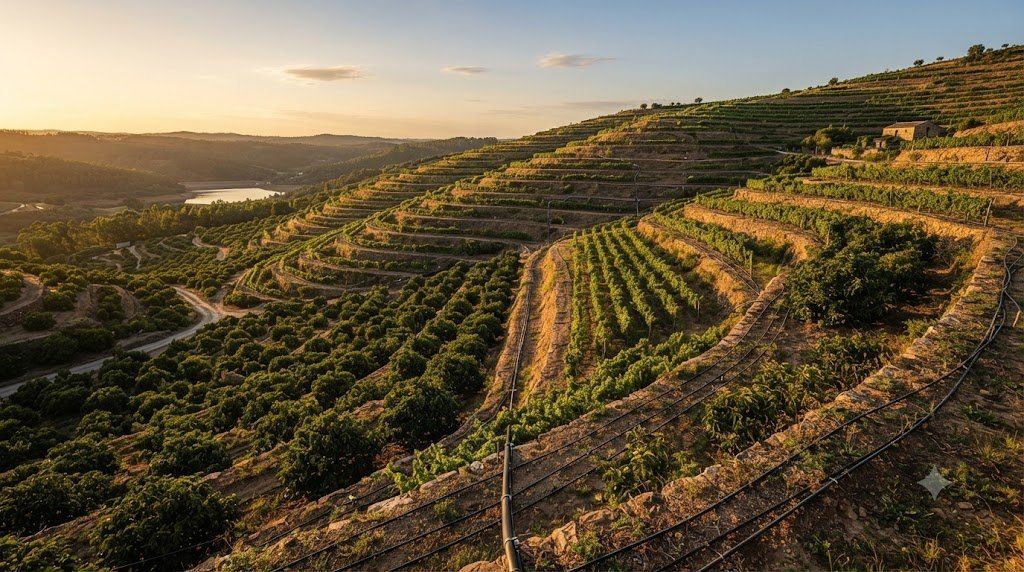
Solar Powered Irrigation Pumps: PV Sizing, Variable Frequency Drives (VFD), and Off-Grid Engineering
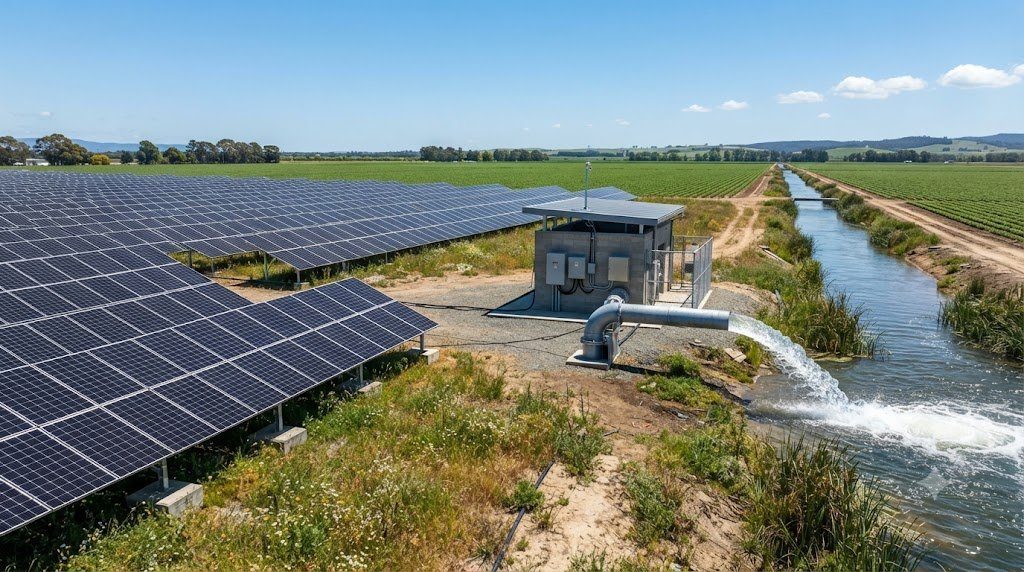
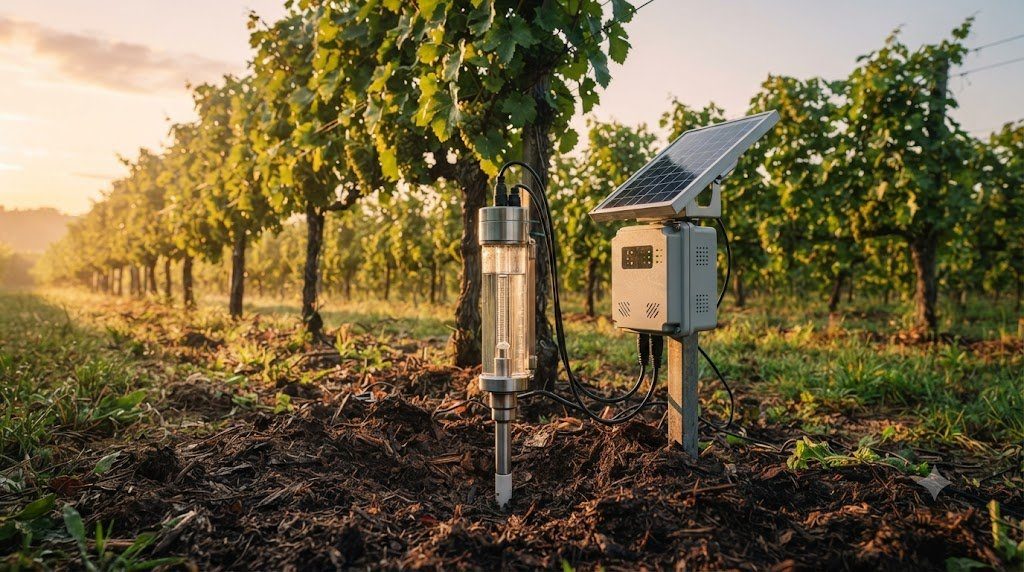
Solar photovoltaic (PV) water pumping represents a transformative technological leap for global agriculture, decoupling irrigation water delivery from fossil fuel volatility and rural electrical grid instability. In remote pastoral grazing lands, off-grid horticulture developments, and developing agrarian regions where utility grid extensions cost tens of thousands of dollars per kilometer, solar irrigation systems provide reliable, … Read more
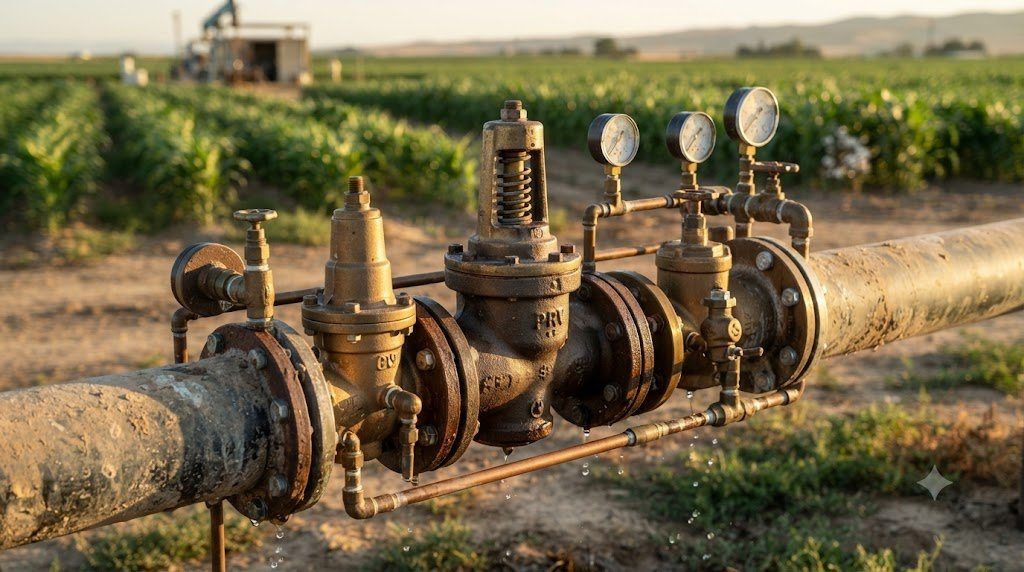
Agricultural Water Pump Selection: Centrifugal vs Deep Well Submersible Pump Curves and Head Sizing

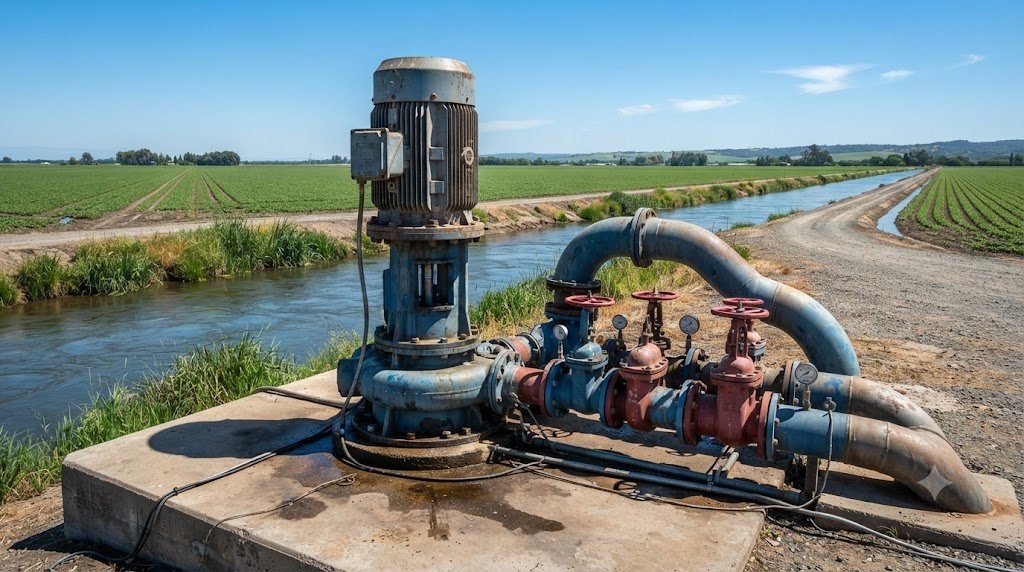
The irrigation water pump represents the beating mechanical heart of any pressurized agricultural system, responsible for converting mechanical, electrical, or thermal combustion energy into fluid hydraulic power. Selecting an improper pump size or failing to match its performance curve to actual field head requirements leads directly to electric motor burnouts, severe impeller cavitation, or exorbitant … Read more

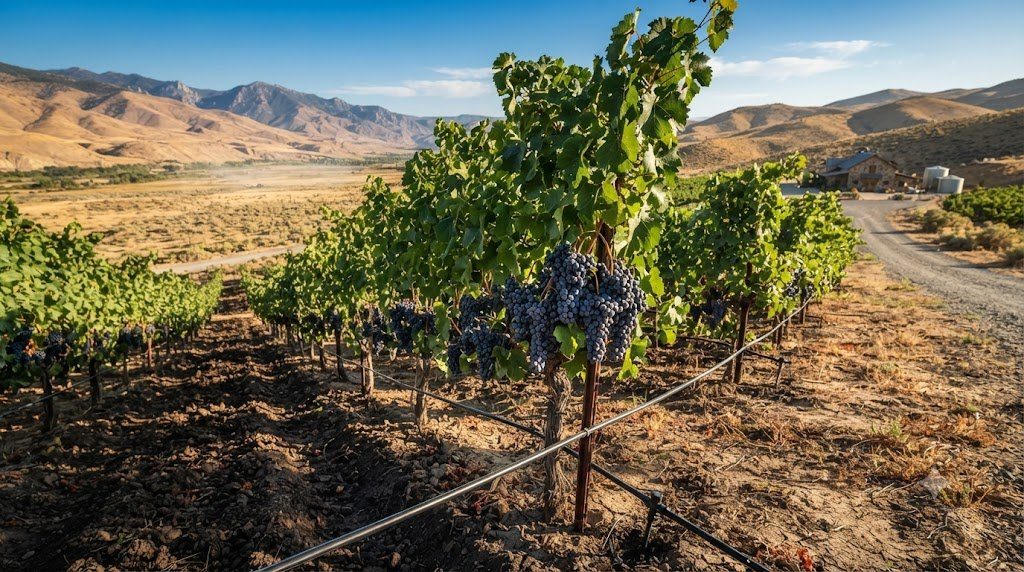
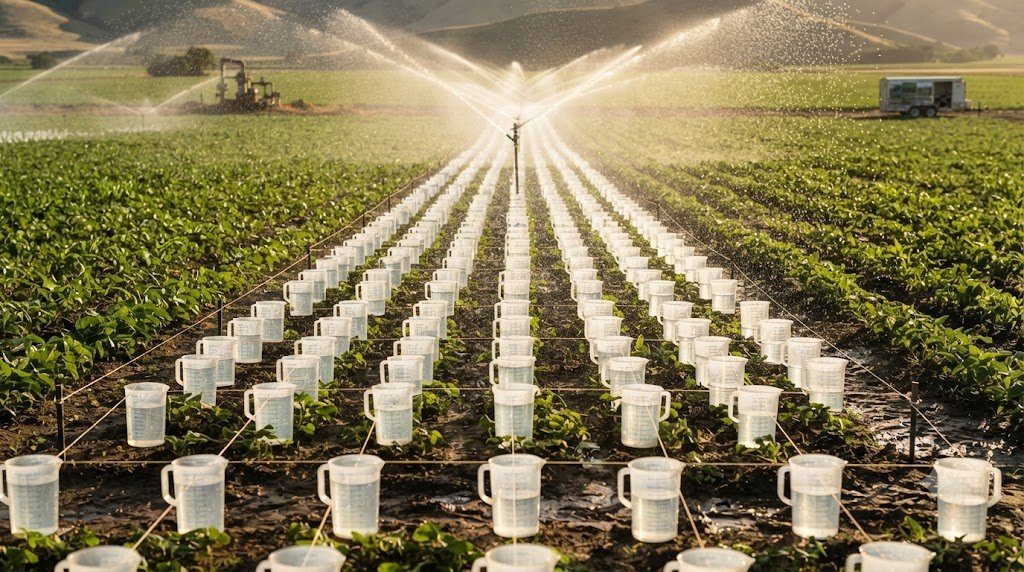
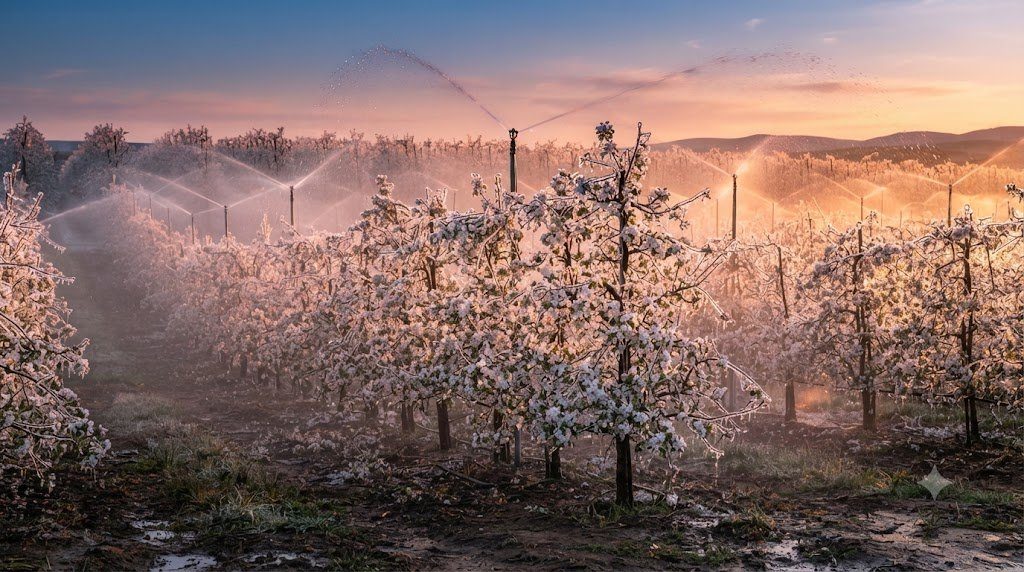
Over-Canopy Sprinkler Systems for Crop Frost Protection: Latent Heat Physics and Application Rates

Spring frost events represent one of the most devastating meteorological hazards in commercial fruit, nut, and viticulture production, capable of destroying an entire year of crop revenue in a single sub-zero nocturnal inversion. While conventional active frost mitigation methods such as diesel-powered wind machines and orchard smudge pots consume enormous fuel volumes and generate severe … Read more

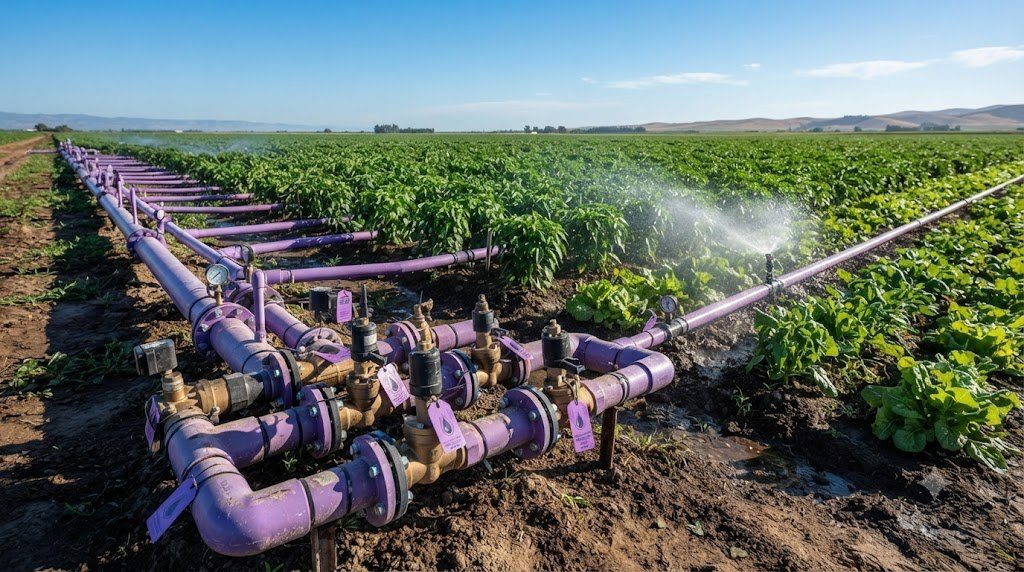
Turf and Commercial Landscape Sprinkler Design: Head-to-Head Coverage and Matched Precipitation Rates

Commercial landscape and sports turf irrigation design represents a rigorous discipline of applied hydraulics, requiring precise geometric planning, pressure regulation, and micro-climate zoning. Unlike broadacre agricultural fields where uniform circular or rectangular coverage is standard, commercial landscapes feature complex non-geometric perimeters, steep slopes, shaded understories, high pedestrian traffic, and diverse plant species with divergent water … Read more

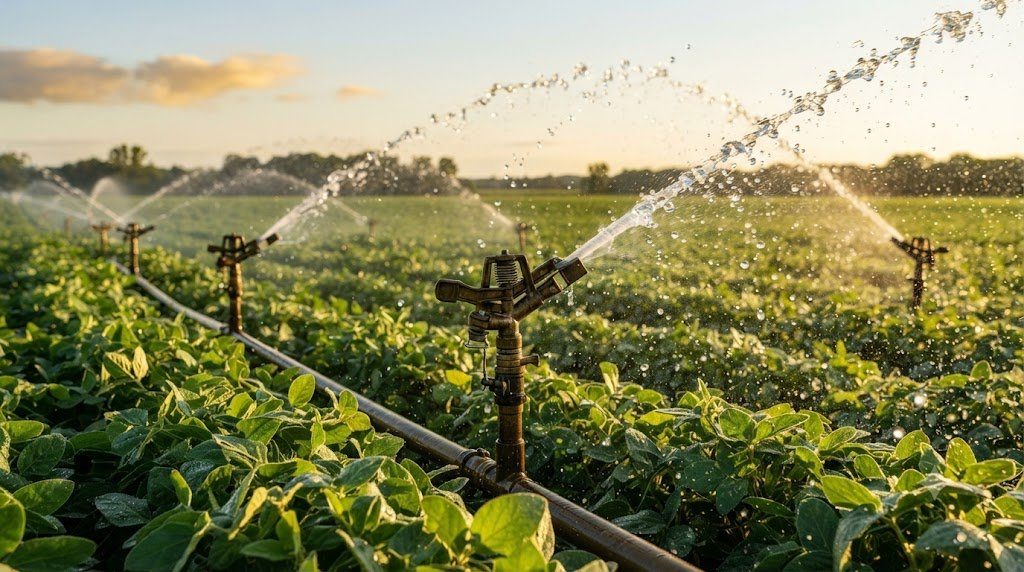
Impact Sprinklers vs Micro-Rotators: Trajectory Angles, Droplet Size, and Evaporation Losses

Overhead sprinkler irrigation spans a wide spectrum of fluid mechanical technologies, ranging from massive brass impact sprinklers throwing water across forty-meter radiuses to precision engineered micro-rotators providing targeted under-canopy micro-sprays. In orchard management, viticulture, nursery production, and pasture management, selecting the appropriate sprinkler emission mechanism dictates not only overall water application efficiency but also energy … Read more

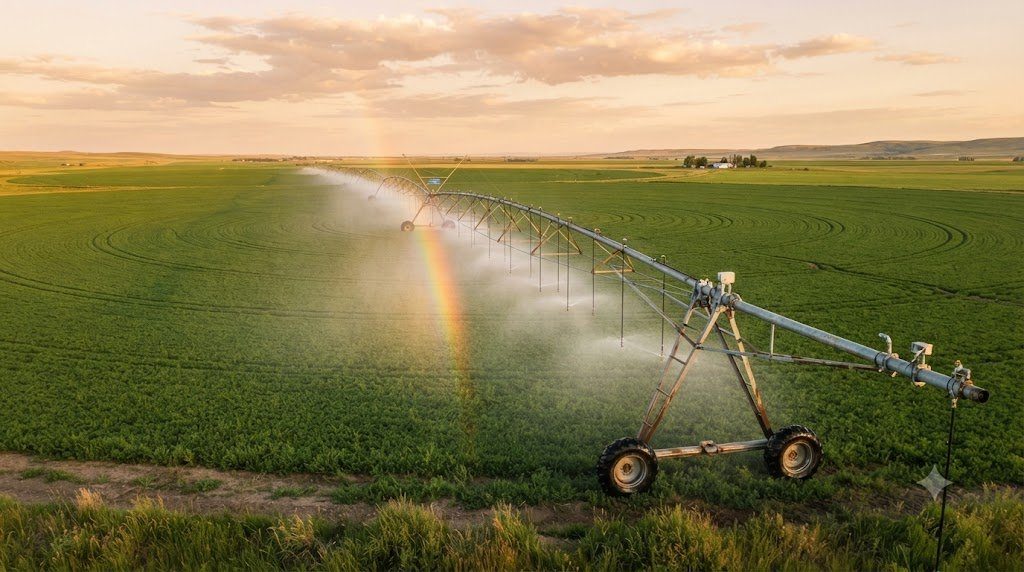
Center Pivot Irrigation Engineering: Span Sizing, Nozzle Packages, and Application Uniformity

Center pivot irrigation systems represent the industrial workhorse of modern broadacre agriculture, irrigating millions of hectares of grain, forage, and fiber crops globally. Mechanized continuous-move overhead systems revolutionized commercial farming by drastically lowering field labor requirements compared to manual siphon-tube surface irrigation or solid-set aluminum pipes. However, achieving high water application efficiency with a rotating … Read more

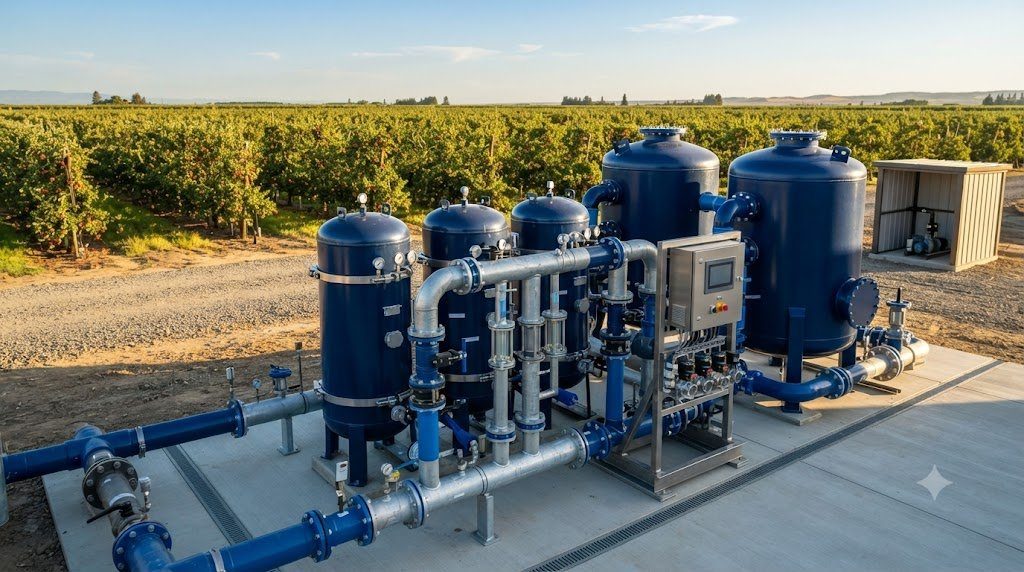
Drip Irrigation Filtration Systems: Disc vs Screen vs Media Filters for Clog-Free Operation

The operational lifespan and hydraulic distribution efficiency of an agricultural drip irrigation system depend directly on its primary filtration headworks. Because micro-irrigation emitters rely on microscopic tortuous labyrinths (with channel dimensions frequently under 0.6 mm) to dissipate water energy, un-filtered suspended particulates, biological algae, and chemical precipitates will quickly clog orifices. An effective filtration battery … Read more

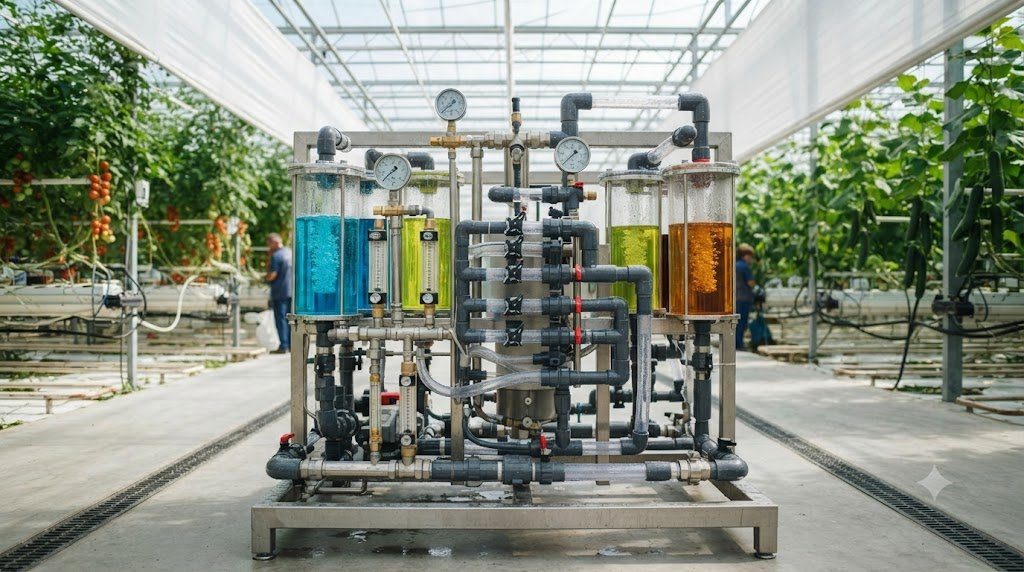
Precision Drip Fertigation Protocols: Venturi Injectors, Nutrient Solubility, and Acid Flushing

Drip fertigation represents the ultimate convergence of plant nutrition and precision hydraulics, enabling commercial growers to deliver solubilized macro- and micro-nutrients directly into the active root absorption zone at exact physiological growth stages. By synchronizing nutrient delivery with actual daily crop evapotranspiration, fertigation reduces fertilizer consumption by thirty to fifty percent compared to traditional broadcast … Read more

Subsurface Drip Irrigation (SDI) Engineering: Installation Depth, Root Intrusion Prevention, and Longevity

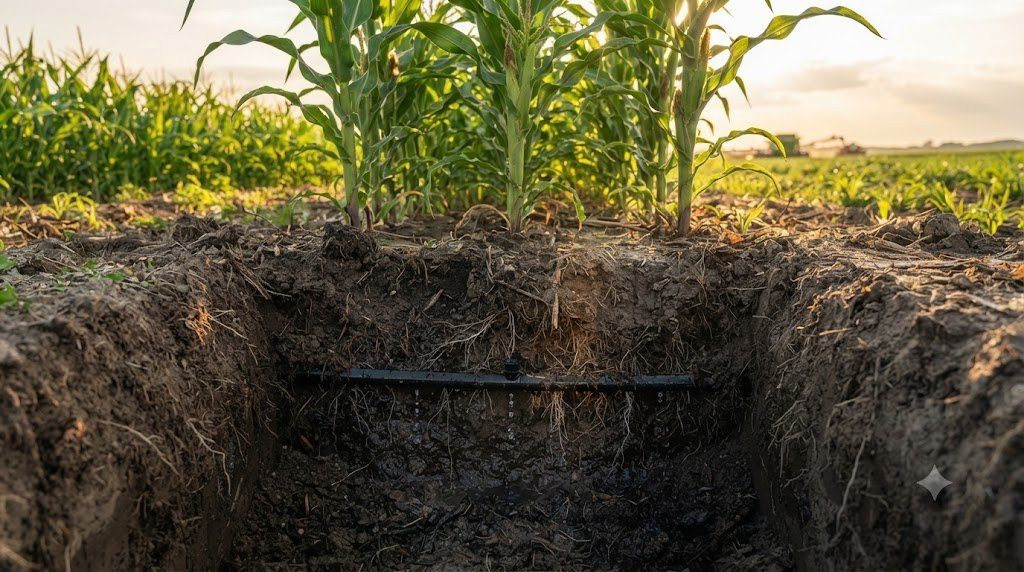
Subsurface Drip Irrigation (SDI) represents the pinnacle of micro-irrigation technology, burying heavy-wall driplines beneath the cultivation zone to supply water and solubilized nutrients directly to the plant root architecture. By eliminating surface water exposure entirely, SDI eliminates evaporation losses, prevents weed seed germination in inter-row spaces, mitigates soil crusting, and completely prevents foliar fungal pathogen … Read more

Comprehensive Agricultural Drip Irrigation Guide: System Design, Emitters, and Uniformity Coefficients

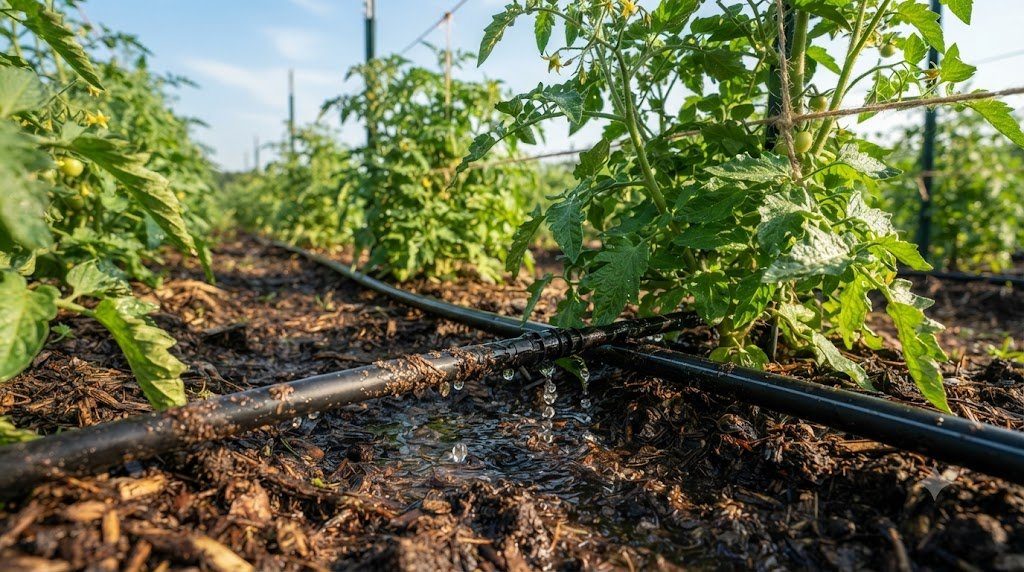
Agricultural drip irrigation stands as the undisputed benchmark for water-use efficiency in contemporary commercial agronomy, delivering distribution efficiencies frequently exceeding ninety-five percent when engineered to precise hydraulic standards. By applying controlled quantities of water directly to the plant root zone at low operating pressures, agricultural producers eliminate deep percolation losses, eliminate surface evaporation common to … Read more

About IrrigaGuide

About IrrigaGuide

IrrigaGuide is an engineering and agronomic knowledge resource dedicated to precision farm irrigation, hydraulic pipe design, solar water pump optimization, and water conservation. We equip commercial growers and homesteaders with field-tested calculations and layouts to maximize every drop.

Learn More →
Expert Advice Hydraulic Engineering
Precision Irrigation Water Efficiency Systems
Standards & Formulas Field-Tested Hydraulics