Regulated Deficit Irrigation (RDI): Crop Stress Management, Yield Optimization, and Drought Resilience
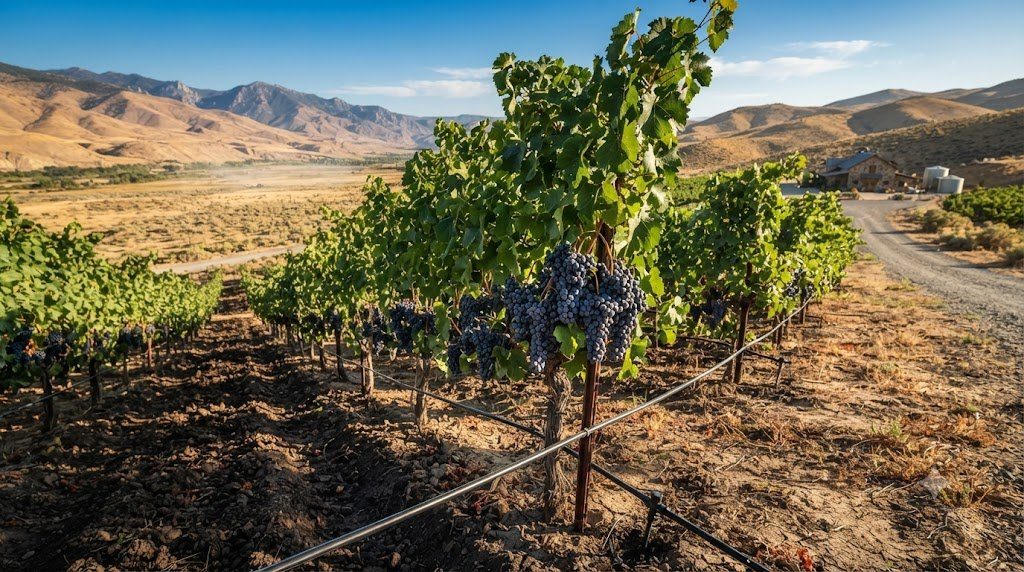
Regulated Deficit Irrigation (RDI) represents one of the most sophisticated and economically impactful water conservation strategies in modern commercial agronomy. For decades, conventional agricultural wisdom dictated that maximizing crop yield required satisfying one hundred percent of crop evapotranspiration (ETc) throughout the entire vegetative and reproductive season. However, rigorous plant physiological research over the past thirty … Read more
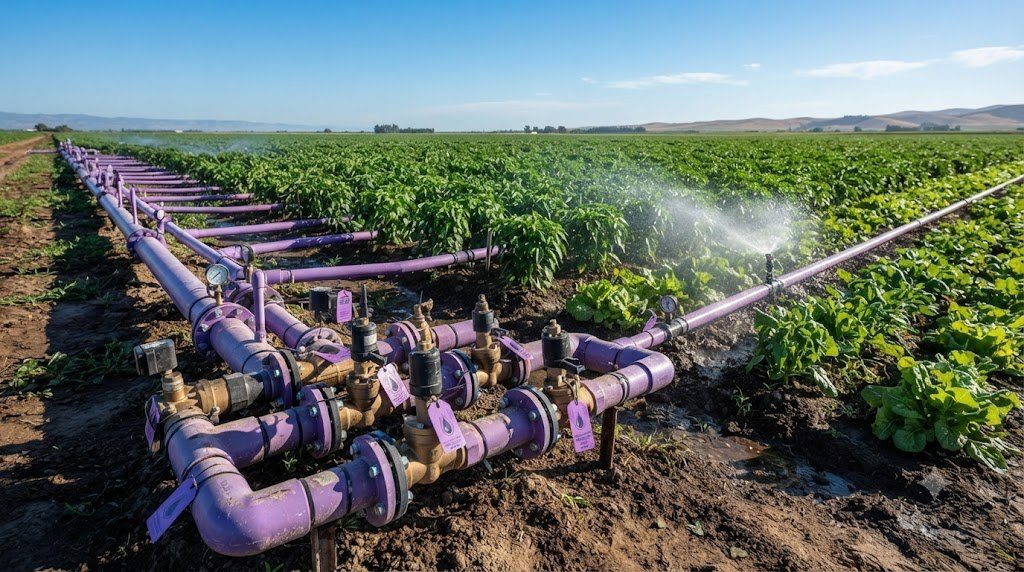
Recycled Water and Treated Wastewater in Agriculture: Salinity Management, Filtration, and Pathogen Safety

The utilization of reclaimed municipal wastewater and on-farm recycled process water represents one of the most reliable, climate-resilient water supplies available to modern agricultural production. Unlike conventional rainfall and snowpack runoff that vary drastically from year to year, municipal wastewater flows continuously regardless of meteorological drought, delivering a predictable daily volume throughout the growing season. … Read more

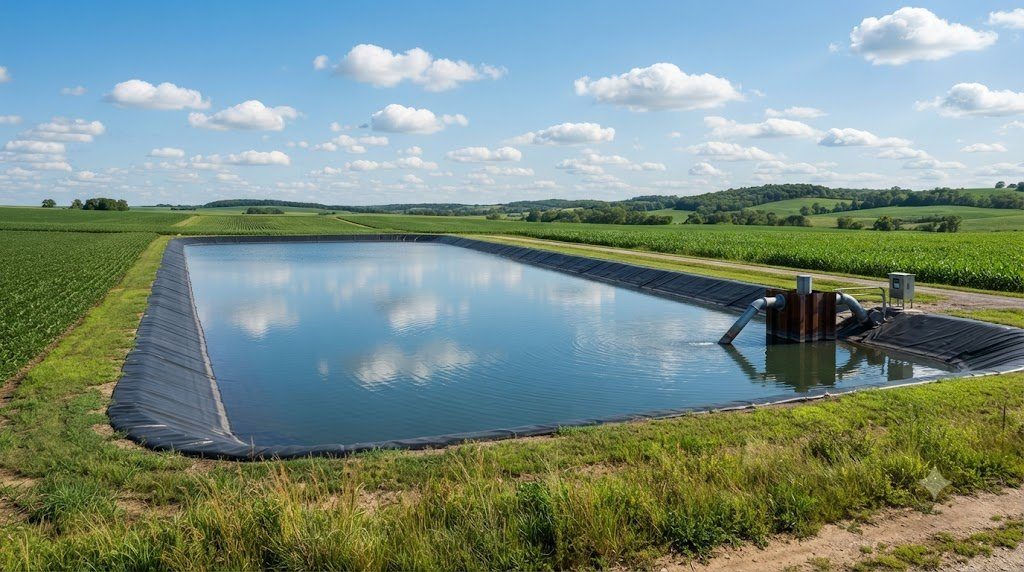
Rainwater Harvesting for Farm Irrigation: Catchment Sizing, Pond Liners, Sedimentation, and Pumping

Agricultural rainwater harvesting and on-farm storage catchment basins represent the premier nature-based infrastructure strategy for establishing agricultural water sovereignty and climate resilience. As global groundwater aquifers deplete and statutory surface water rights face stringent curtailments during dry summer months, capturing intense seasonal monsoon or winter rainfall creates an invaluable decentralized water reserve. Harvesting pristine rainwater … Read more

Agricultural Irrigation Water Auditing: Catch-Can Tests, Distribution Uniformity (DU), and Efficiency Audits

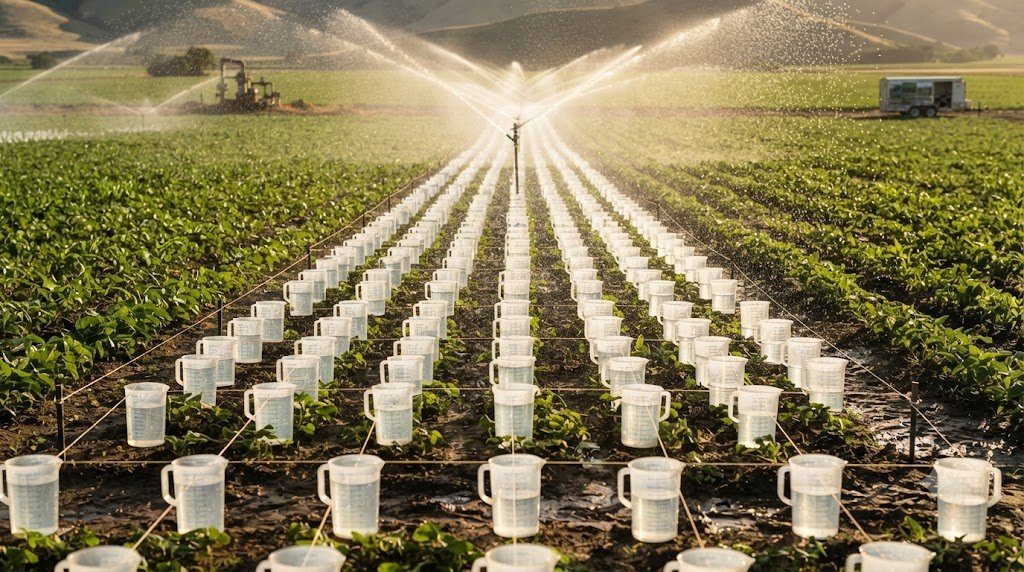
Agricultural water auditing represents the empirical discipline of measuring, diagnosing, and optimizing on-farm irrigation distribution efficiency. In modern commercial agriculture operating under tightening groundwater allocations, rising pumping power tariffs, and persistent drought conditions, producers cannot manage what they do not measure. An irrigation system that appears visually functional from the edge of the field may … Read more

Irrigation Planning for Sloped Terrains: Topographical Head Pressure, Pressure Compensating Emitters, and Check Valves

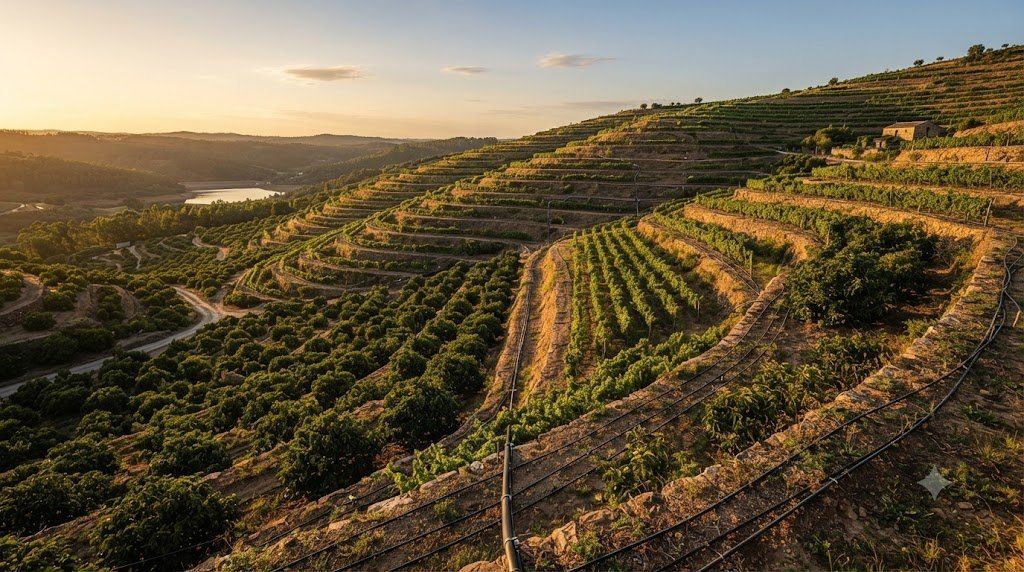
Designing irrigation systems across steep hillsides, terraced orchards, rolling mountain vineyards, and undulating topographies represents one of the most demanding challenges in hydraulic engineering. While flat fields permit straightforward pipe sizing and uniform lateral layouts, sloped landscapes introduce powerful gravitational forces that distort water pressure across every elevation change. Gravity either supercharges pipeline pressure as … Read more

Smart IoT Irrigation Controllers: Weather Station Integration, Automated Solenoids, and Remote Telemetry

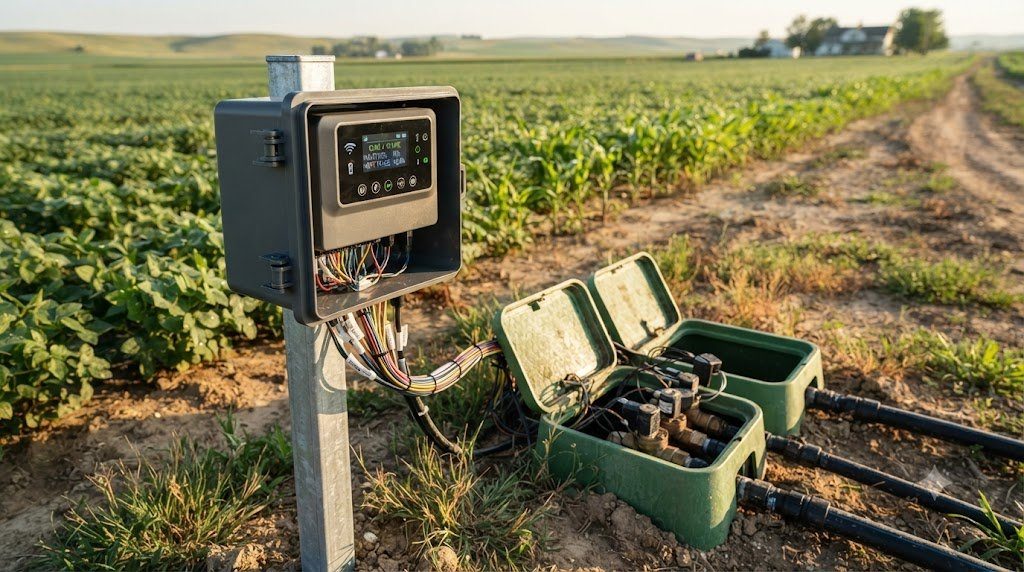
The digital revolution in agricultural water management has permanently replaced mechanical clock timers and manual hand-cranked valves with cloud-connected Internet of Things (IoT) smart controllers, localized on-farm weather stations, and automated hydraulic solenoids. Modern agricultural operations spanning thousands of hectares cannot afford the labor inefficiency, human error, and delayed response times inherent to manual valve … Read more

Irrigation Hydraulic Engineering: Friction Loss Calculations, Hazen-Williams Equation, and Pipe Velocity

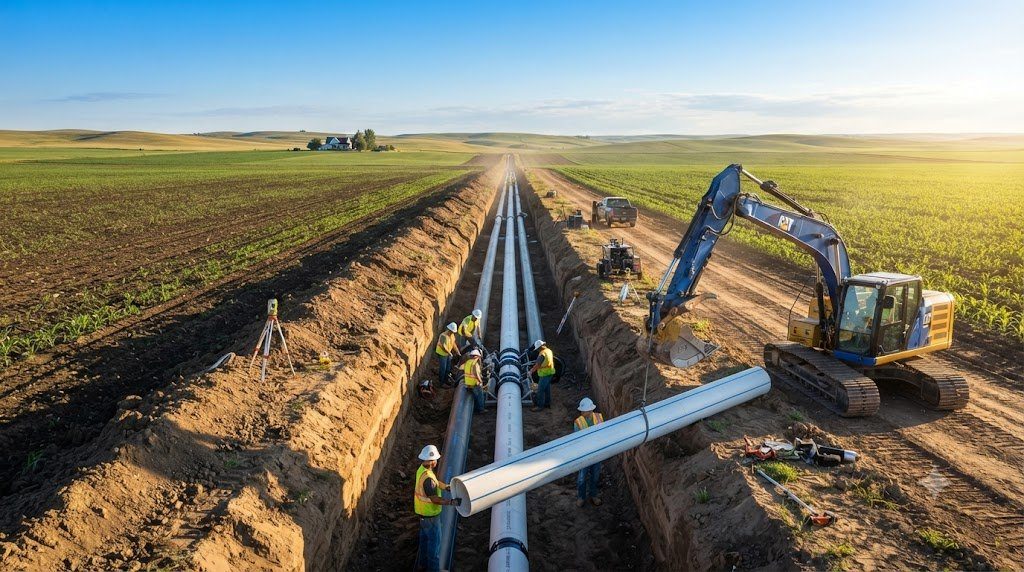
The conveyance of water through pressurized agricultural piping networks is governed by the unyielding physical laws of fluid mechanics, boundary layer friction, and energy conservation. Sizing pipelines represents one of the most critical financial and operational decisions in agricultural design. Undersizing pipe diameters to cut initial capital expenditure leads to excessive fluid velocities, massive frictional … Read more

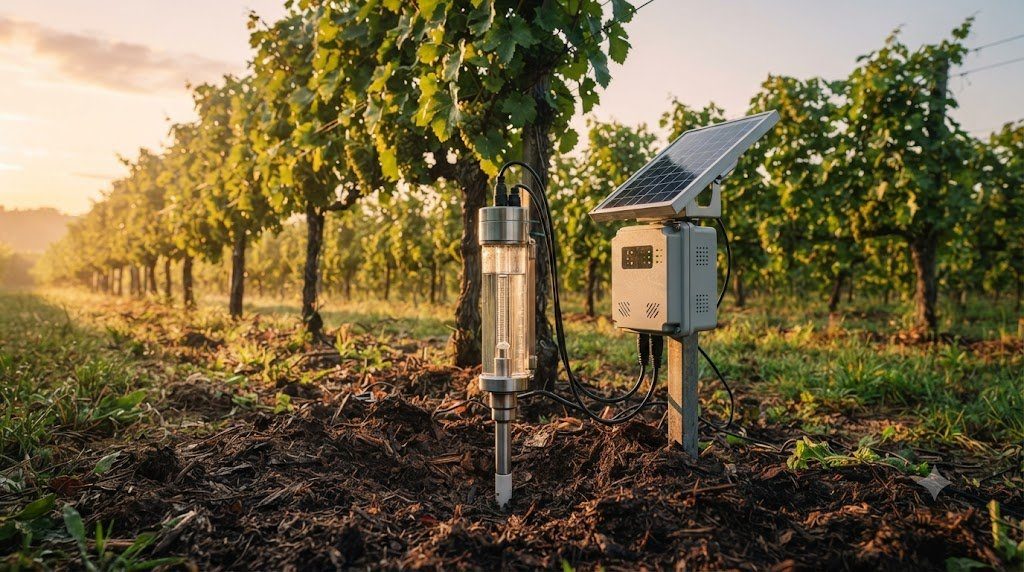
Advanced Soil Moisture Monitoring: Tensiometers, Capacitance Probes, and Evapotranspiration (ET) Scheduling

Precision irrigation planning represents the transition from intuition-based calendar watering to scientific, data-driven soil water management. Applying water on arbitrary days of the week regardless of actual plant consumption leads to either chronic over-watering—which leaches expensive nitrogen fertilizers into aquifers and suffocates root respiration—or unrecognized moisture stress that stunts vegetative growth and drastically lowers crop … Read more

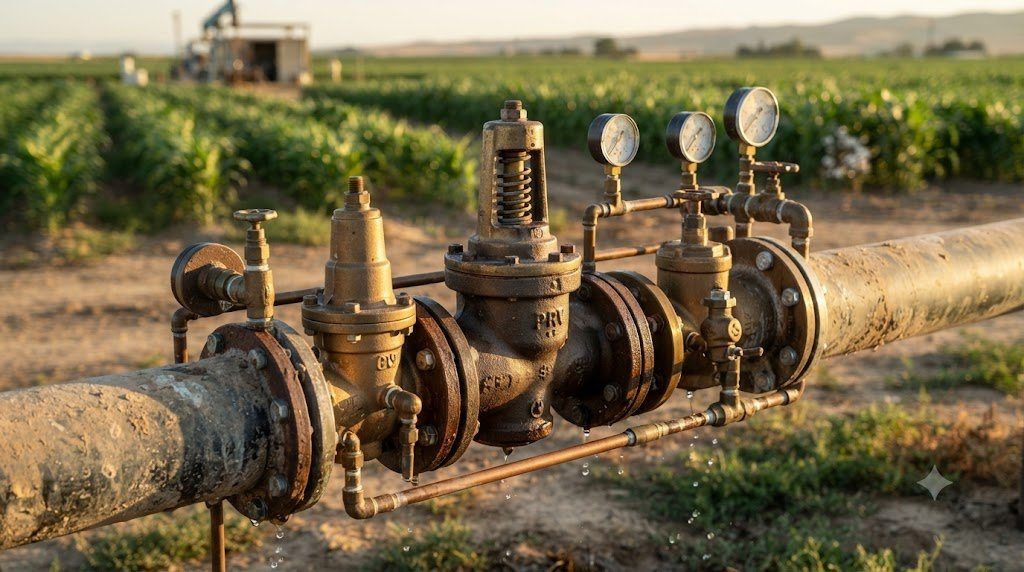
Inline Booster Pumps and Pressure Regulators: Balancing System Hydraulics and Friction Losses

In extensive commercial irrigation distribution networks spanning variable elevations, undulating terrains, and long pipe distances, maintaining uniform operating pressure across all field sectors represents a formidable hydraulic engineering challenge. A primary pumping station sized to supply distant elevated hilltops will generate catastrophic over-pressurization across low-lying valleys, blowing out fittings, causing severe emitter misting, and wasting … Read more

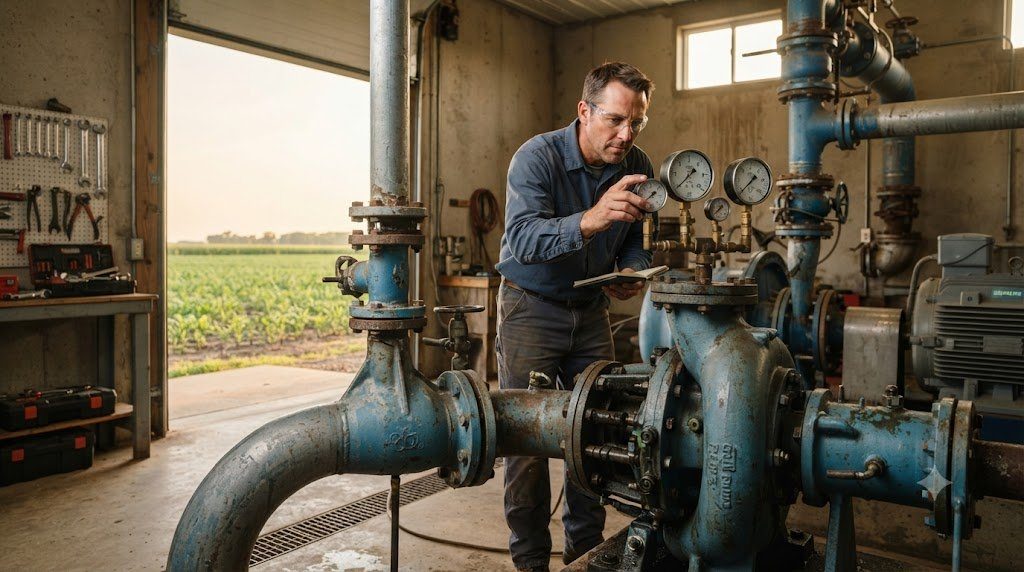
Irrigation Pump Troubleshooting: Diagnosing Cavitation, NPSH Deficits, Priming Failures, and Water Hammer

Agricultural water pumps operate under relentless mechanical, hydraulic, and environmental stresses throughout active irrigation seasons. When a pump fails during peak summer crop transpiration, every hour of lost pumping capacity can translate into permanent yield reduction and severe vegetative stress. Diagnosing hydraulic failures requires understanding fluid dynamics rather than merely swapping mechanical components. Complex physical … Read more